Microplastics as a chemical agent: new findings on cellular impact
Scientists have discovered that microplastics in water can trigger chemical reactions that potentially damage biological structures.
 🩺Health
Photo: TSN
Key points
- Microplastics trigger the formation of reactive oxygen species
- Cell damage confirmed by laboratory tests
- Heating plastic increases the risk of releasing harmful particles
Researchers from Columbia University and the University of California, Berkeley, have released findings on how microplastics interact with their environment. It turns out that plastic particles are not merely passive pollutants but are capable of active chemical interaction when in contact with water.
Mechanism of danger and cellular impact
Upon contact with water, reactive oxygen species form on the surface of the plastic. These compounds, including hydroxyl radicals, have the ability to damage DNA, proteins, and cell membranes. Experiments with mouse erythrocytes demonstrated that polystyrene can cause cell rupture, releasing hemoglobin.
- Polyethylene and polypropylene showed the highest activity.
- As particle size decreases, the total surface area increases, enhancing chemical reactivity.
- Domestic factors, such as heating containers in a microwave, accelerate the release of microparticles.
Although the study was conducted in laboratory settings, it points to a more complex nature of plastic's influence on living organisms than previously thought. Scientists emphasize that this is not direct proof of human disease causation, but it opens a new direction for studying the risks of plastic pollution.
Source TSN — tsn.ua/zdorovya/mikroplastyk-vyiavyvsia-nebezpechnishym-niz-vvazaly-shc… ↗
Read next
 🇺🇦Ukraine
Energy Crisis in Odesa: Mass Outages Halt Public Transit and Cut Off Water Supply
Odesa and surrounding areas face a critical situation with electricity and water supplies following severe attacks on energy infrastructure.
 🎭Culture & Sport
German Bestseller 'Waiting Tariff' to Be Published in Ukrainian for the First Time
New Ukrainian publishing house BOOKSETTER has announced its debut release—German author Ildiko von Kürthy's bestselling novel 'Waiting Tariff', scheduled for December.
 🧠AI Analysis
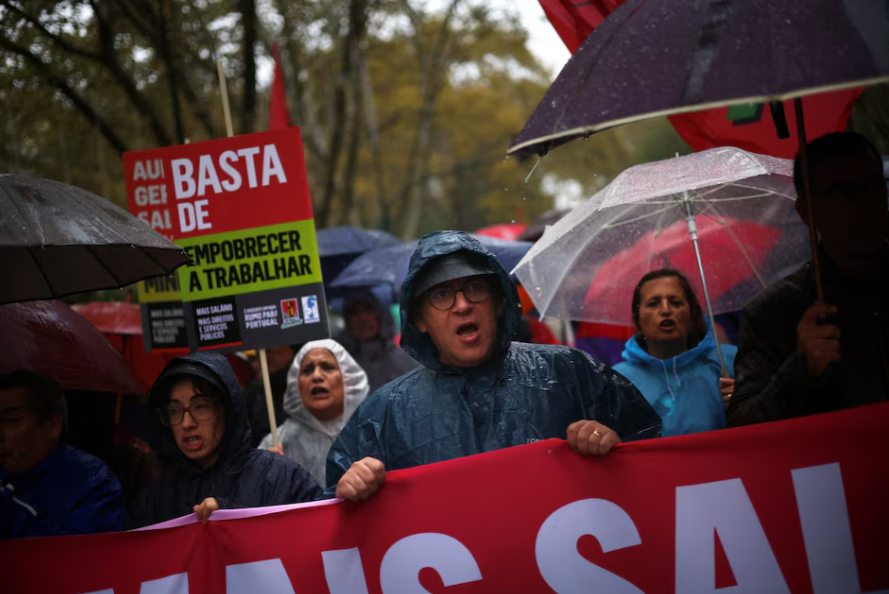
Financial Crisis in Europe: Why Mass Protests in Lisbon Resonate with Ukrainian Communities
Thousands of people took to the streets of the Portuguese capital to protest against soaring living costs and a deep housing crisis, reflecting broader economic anxieties…
 🚨Events
Secrets of an Old Necropolis: Forgotten Orthodox Cemetery Explored in Khmelnytskyi Region
Historian Dmytro Poliukhovych has highlighted a little-known old cemetery in Sataniv, featuring unique 19th-century tombstones and a mysterious sculpture.
 🚨Events
Traditional Podilian Evening Gatherings Recreated in a Village Near Khmelnytskyi
Residents and a folklore group in the village of Zhyshyntsi near Khmelnytskyi revived ancient autumn evening traditions.
 🚨Events
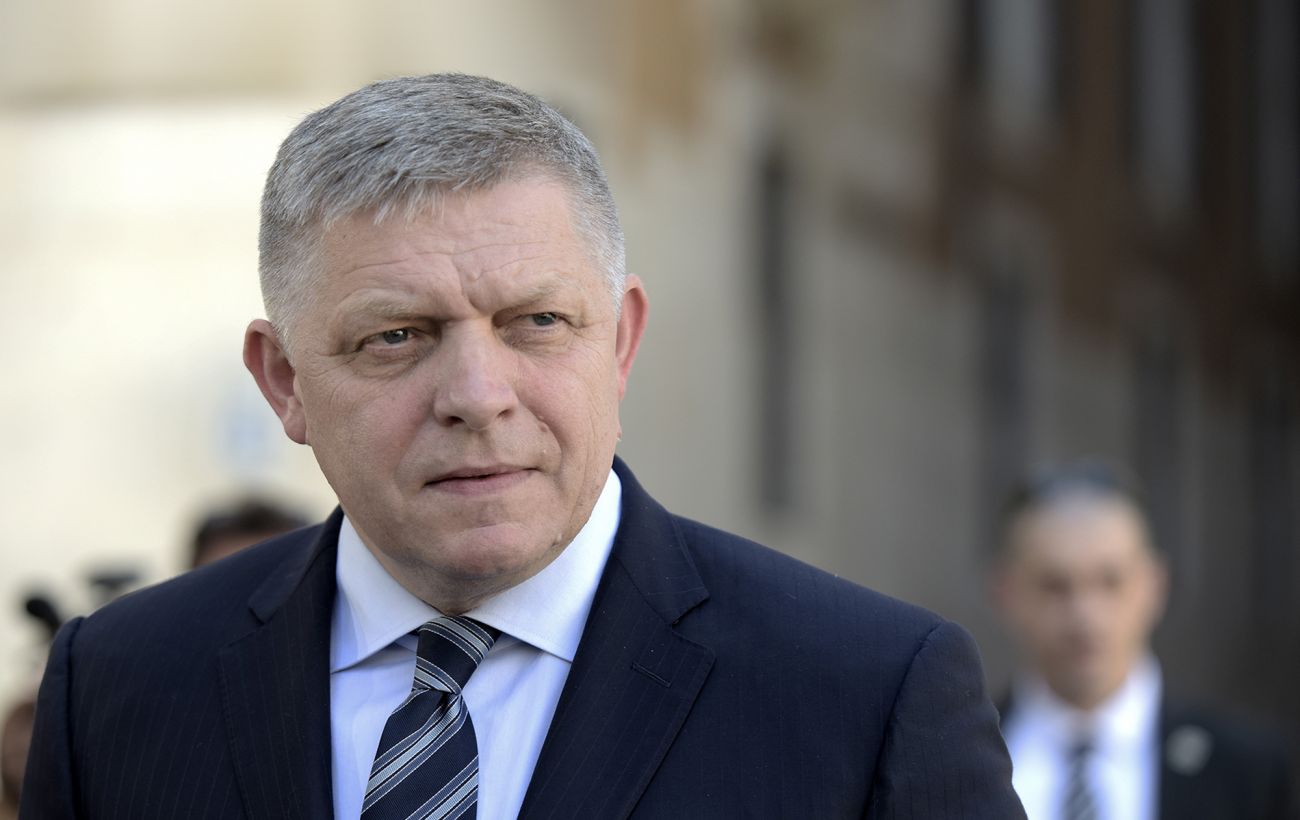
Slovakia Refuses to Join New 45 Billion Euro EU Loan Package for Ukraine
Slovak Prime Minister Robert Fico announced that his country will not participate in the new EU financial aid program for Ukraine, though humanitarian assistance will con…