Human Rights Center Explains Why Recreating Military Courts Won't Solve Army Problems
The debate over restoring military justice in Ukraine continues, but the «Pryncyp» human rights center warns of risks regarding judicial independence and command influence.
 👥Society
Photo: Ukrainska Pravda
Key points
- Pryncyp human rights center analyzed proposals to restore military justice.
- Main concerns involve the risk of command vertical influencing judicial independence.
- Experts recommend specializing civil judges rather than creating a separate military court system.
The discussion on reviving specialized military justice — including military courts and prosecution — has returned to Ukraine's agenda amid the ongoing full-scale war. A Temporary Special Commission of the Verkhovna Rada is currently working on the issue, involving human rights experts. Proponents of military courts argue that cases involving service members should be adjudicated by individuals with military experience who better understand the frontline context.
Risks to Judicial Independence
However, analysts from the «Pryncyp» human rights center for military personnel caution against hasty decisions, highlighting a fundamental clash of principles. While judicial proceedings rely on independence and impartiality, military service is built upon strict subordination and the principle of a single commander. Granting military ranks to judges creates severe vulnerabilities, as the Ministry of Defense or General Staff involvement in promotions could compromise impartiality. Furthermore, practical challenges arise, such as the requirement for a military judge to hold a higher rank than the defendant.
Human rights defenders point to previous legislative initiatives aimed at increasing penalties for military offenses, which disproportionately targeted subordinates rather than addressing command abuses. In a closed military justice vertical, such imbalances could potentially jeopardize fair trials.
Specialization as an Alternative
Experts argue that civil courts have accumulated substantial expertise in handling military-related cases over the years of war. Instead of establishing a vulnerable parallel system, «Pryncyp» advocates for introducing judicial specialization within the existing civil court framework for military administrative and disciplinary offenses. This approach aims to enhance legal expertise while preserving the essential guarantees of judicial independence.
Source Ukrainska Pravda — pravda.com.ua/news/2026/11/20/8063800/ ↗
Read next
 🛡️Security
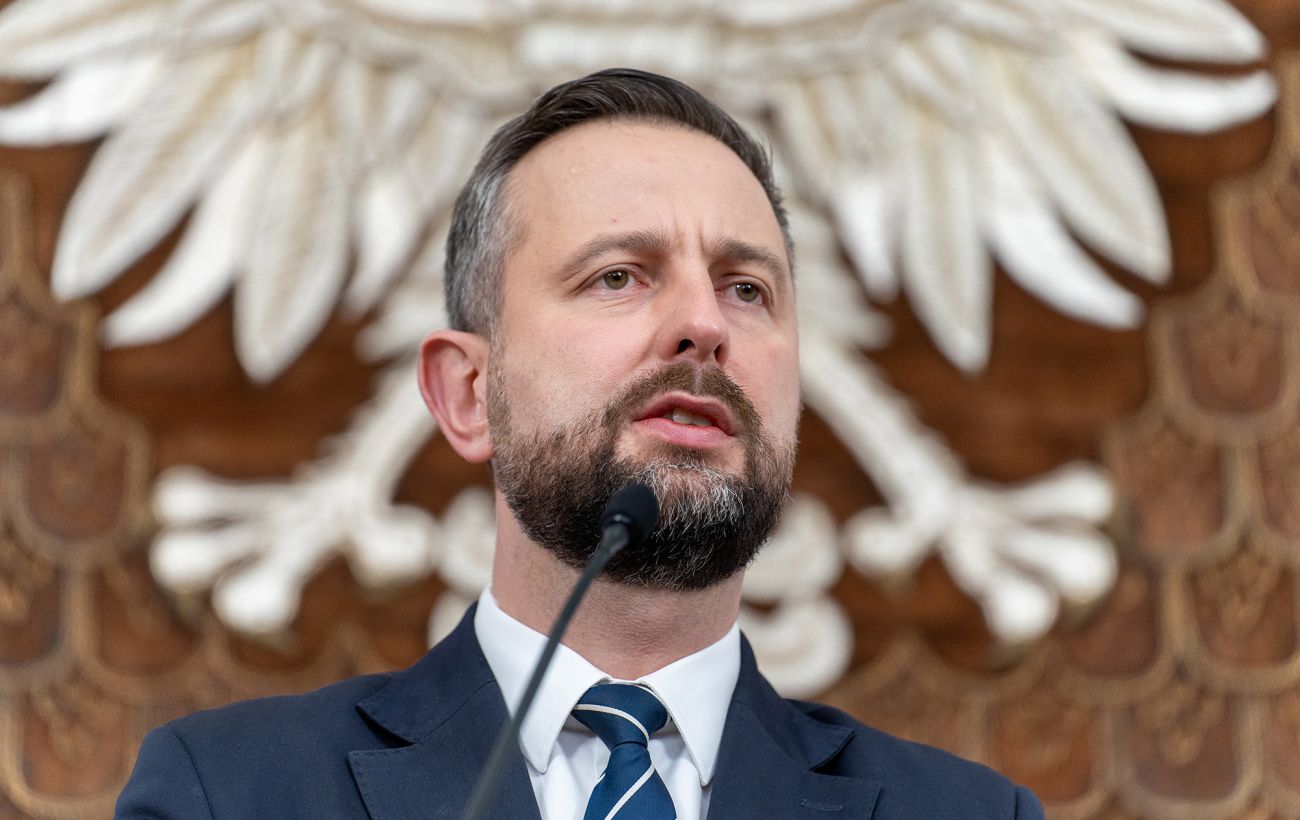
Russian missiles and drone land in Poland near NATO military exercises
During a massive missile strike on Ukraine on November 20, two Russian missiles and a drone landed in Polish territory, prompting security concerns.
 🇺🇦Ukraine
German Defense Minister Comments on Potential Talks with the Kremlin and European Conditions
German Defense Minister Boris Pistorius stated that Europe should not reject Putin's invitation to Moscow, while emphasizing the need for real steps toward peace.
 🎭Culture & Sport
Holos Krainy Winner RIDNYI Receives Promised Kyiv Apartment After a Five-Year Wait
Ukrainian singer RIDNYI has officially become the owner of a capital city apartment he won on the television vocal show five years ago.
 🚨Events
Defense Forces hit three Russian ballistic missile launchers during night attack, says Zelenskyy
President Volodymyr Zelenskyy announced the successful destruction of three enemy ballistic missile launchers during a massive attack on Ukraine on the night of November …
 🛡️Security
General Staff Confirms Strike on Oil Pumping Station in Tatarstan
Ukrainian defense forces targeted the Kaleykino oil pumping station in Tatarstan, damaging large storage tanks.
 🛡️Security
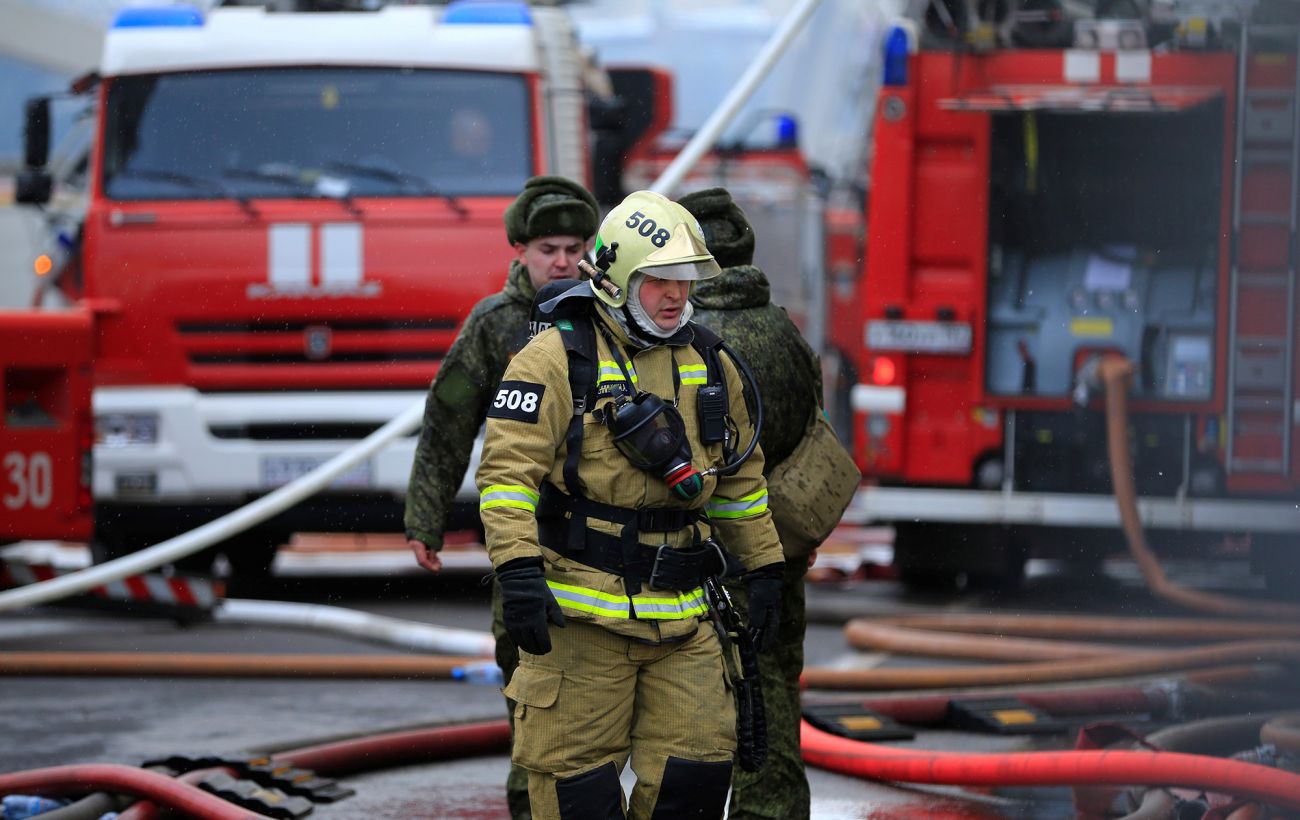
Ukrainian Forces Strike Key Node of the 'Druzhba' Pipeline in Tatarstan, 1,000 km from Frontline
The Ukrainian military targeted the 'Kaleykino' oil pumping station in Russia's Tatarstan, damaging large storage reservoirs located deep behind enemy lines.