Scientists Reveal How Different Types of Alcohol Impact Kidney Injury Risk
A recent scientific study indicates that consuming beer and spirits significantly increases the likelihood of acute kidney injury, whereas moderate wine consumption does not show the same adverse association.
 👥Society
Photo: UNIAN
Key points
- Spirits and beer consumption are linked to a higher risk of acute kidney injury.
- Moderate wine intake within recommended limits showed no similar elevated risk.
- Researchers stress the need to account for lifestyle and socioeconomic factors.
Acute kidney injury remains a severe medical condition that can lead to chronic renal failure and other life-threatening health consequences. Recent findings published in the journal Scientific Reports shed light on how various types of alcoholic beverages influence the risk of developing this pathology. Researchers analyzed data regarding drinking habits and health outcomes among a large cohort, uncovering distinct differences depending on the specific beverage chosen.
Impact of Spirits and Beer on Renal Health
According to the study led by Dr. Rudolf Schutte and his colleagues, individuals who consume spirits face a substantially higher threat. Specifically, those who drink about nine alcohol units per week (where one unit equals eight grams of pure ethanol) have a 26% higher likelihood of developing acute kidney injury compared to those who consume only one unit weekly. A similar trend was observed among beer enthusiasts, where consuming 24 units per week elevated the risk of the condition by 15%.
At the same time, the researchers noted that moderate consumption of wine did not carry the same detrimental effect. Participants who drank fewer than 14 units of red or white wine weekly—aligning with the maximum dose recommended by British health authorities—did not exhibit an increased risk of kidney damage. However, the scientists emphasize that the study reveals an association rather than proving a direct cause-and-effect relationship.
Some independent experts urge caution when interpreting claims about wine being inherently healthier, pointing out that wine consumers often possess healthier dietary habits, engage in more physical activity, and tend to be more affluent. Many medical professionals agree that the fundamental impact of the ethanol molecule on body tissues remains consistent, meaning differences in health outcomes are frequently driven by wider socioeconomic and lifestyle factors.
Source UNIAN — unian.ua/health/pivo-i-zdorov-ya-13563426.html ↗
Read next
 🏙️City
Ukrainian Defense Industry: From Laser Prototypes to Air Defense Missile Shortages
Ukraine has made significant progress in drone and weapon production but remains dependent on international partners for air defense capabilities.
 💼Economy
OLX to Implement Mandatory Verification via Diia: What Users Need to Know
Starting in 2027, sellers on OLX will be required to verify their identity via the Diia app to use delivery services. This change aligns with new tax regulations for digi…
 🏛️Politics
SBU General Serhiy Duka claims he was ordered to stall investigations into NABU leadership
General Serhiy Duka testified before a parliamentary commission that he received instructions to slow down investigations involving NABU director Semen Kryvonos.
 🏛️Politics
Scandal surrounding SAP leadership: Artur Bilous accuses anti-corruption activists of selective reaction
Political expert Artur Bilous criticized prominent anti-corruption activists for their lack of reaction to leaked recordings involving the entourage of the SAP head.
 🏛️Politics
SBU General Serhiy Duka accuses NABU and Tomas Fiala of destabilizing the country
During a parliamentary commission hearing, SBU General Serhiy Duka claimed that anti-corruption bodies and businessman Tomas Fiala are colluding to pressure the President…
 ⚽Sport
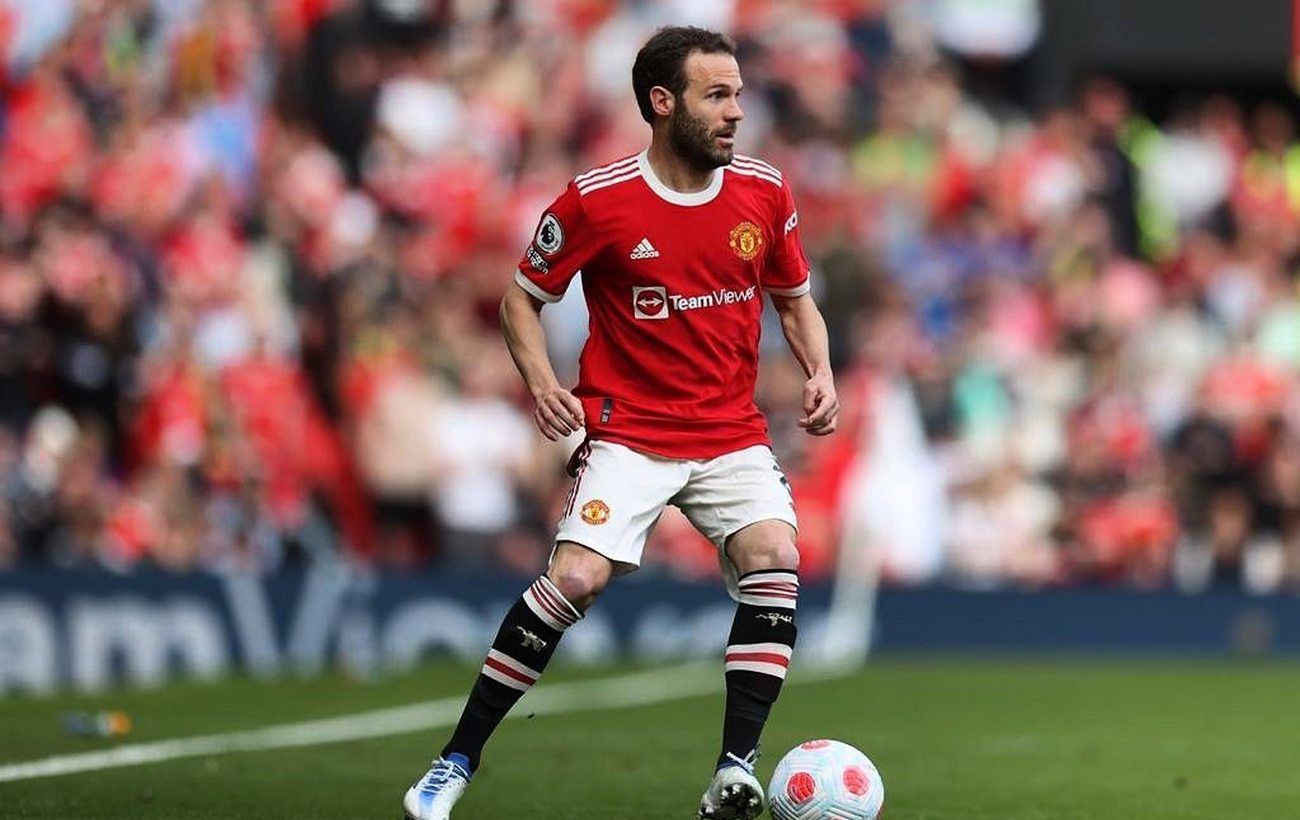
Legendary Spanish midfielder Juan Mata announces retirement at 38
Former Spain international, World Cup and European Championship winner Juan Mata has officially retired from professional football at the age of 38.