Missiles Over Poland: Why NATO Aircraft Failed to Down Russian Targets During Attack on Western Ukraine
A Swedish Gripen pilot was unable to destroy a Russian X-101 missile over Poland due to identification difficulties caused by severe weather conditions.
 🏙️City
Photo: TSN
Key points
- The Gripen pilot had permission to fire but could not identify the X-101 missile due to weather.
- Three objects traveling over 800 km/h violated Polish airspace during the raid.
- Polish, Swedish, and Dutch aircraft were coordinated by NATO's center in Germany.
Incident in Polish Skies: Why Was the Target Not Intercepted?
During a massive attack on western regions of Ukraine on November 20, Russian strike assets violated Polish airspace. Although a Swedish Gripen fighter pilot received direct authorization to destroy an X-101 missile, the weapon was never deployed. This decision has sparked debates regarding the effectiveness of NATO's eastern flank defense and the security of bordering Ukrainian regions, such as Khmelnytskyi, which frequently face similar threats.
Lieutenant General Ireneusz Nowak, Operational Commander of the Polish Armed Forces, explained that "extremely difficult weather conditions" were the primary obstacle. Due to low visibility, the pilot could not visually confirm the object's type, and onboard optoelectronic systems failed to provide definitive identification. According to NATO protocols, the use of weapons is only permitted when a target is fully identified to prevent accidental hits on civilian aircraft.
Force Coordination and Threat Scale
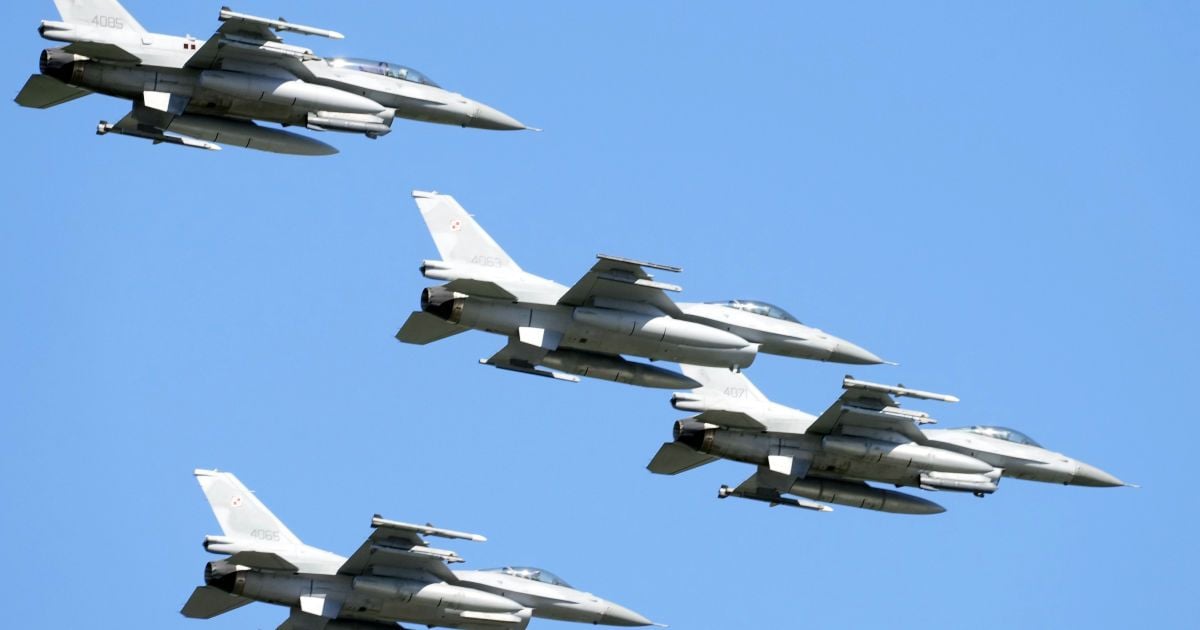
Significant assets were scrambled to protect Polish airspace: two Polish F-16s and two Swedish Gripens. Support was provided by a Saab 340 early warning aircraft and a Dutch MRTT tanker. Operations were coordinated by the NATO Combined Air Operations Centre (CAOC) in Germany. Despite high readiness and a "red" alert level, none of the three targets that crossed the border were neutralized in flight.
Polish military officials reported detecting a total of 11 suspicious objects. Three of them traveled at speeds exceeding 800 km/h, identifying them as either X-101 cruise missiles or "Geran-5" jet drones. Debris from these strike assets was later discovered on Polish territory. Prime Minister Donald Tusk described the incident as a deliberate provocation by Russia.
"No weapons were used tonight because not all conditions for the use of the weapons system were met," explained General Ireneusz Nowak.
For residents of Khmelnytskyi and the surrounding region, this incident serves as a reminder of the complex trajectories used by enemy missiles. While the use of data from Ukraine's "Virazh" system by Polish forces shows deep intelligence integration, the physical interception of missiles over NATO territory remains a sensitive technical and political issue. As allies weigh the risks, the primary burden of defending the skies over the region continues to rest with Ukrainian Air Defense forces.
Source TSN — tsn.ua/politika/rosiyski-rakety-nad-polshcheiu-pilot-vynyshchuvacha-mav… ↗
Read next
 🚨Events
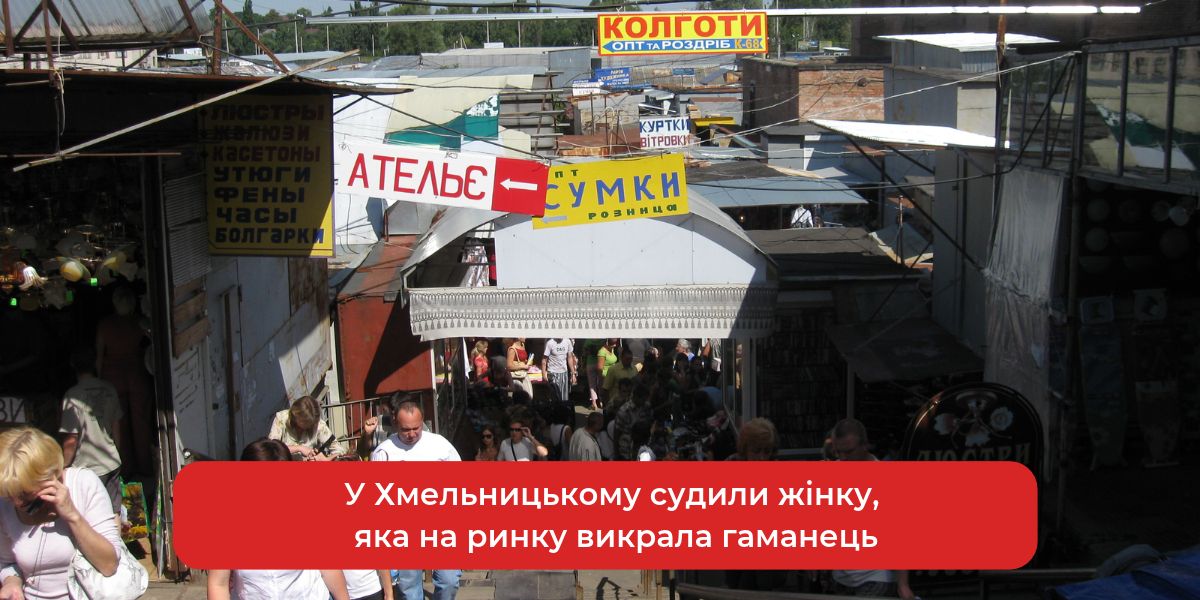
Six Years in Prison for Market Theft: Khmelnytskyi Court Sentences Repeat Offender
A Khmelnytskyi court sentenced a repeat offender to six years behind bars for stealing a wallet and draining bank accounts at a local market.
 🚨Events
Extensive Strikes Hit Kharkiv Region: 15 Injured, Including Children
Russian forces shelled Kharkiv and 17 regional settlements over the past day, leaving 15 people injured or suffering from acute stress, among them two minors.
 🚨Events
Miraculous Survival: Owl Travels 112 km Trapped in a Truck's Grille
A Great Horned Owl in Pennsylvania survived a high-speed collision and a 70-mile journey while stuck in a truck's front fiberglass panel.
 🛡️Security
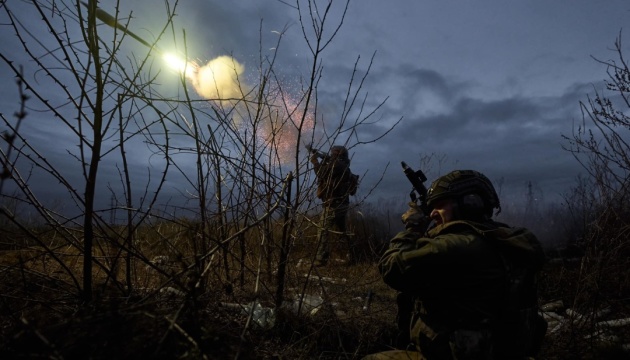
Over 200 Combat Engagements: General Staff Reports on Frontline Situation
A total of 203 combat clashes occurred along the frontline over the past day, with the highest number of attacks repelled in the Pokrovsk sector.
 🚨Events
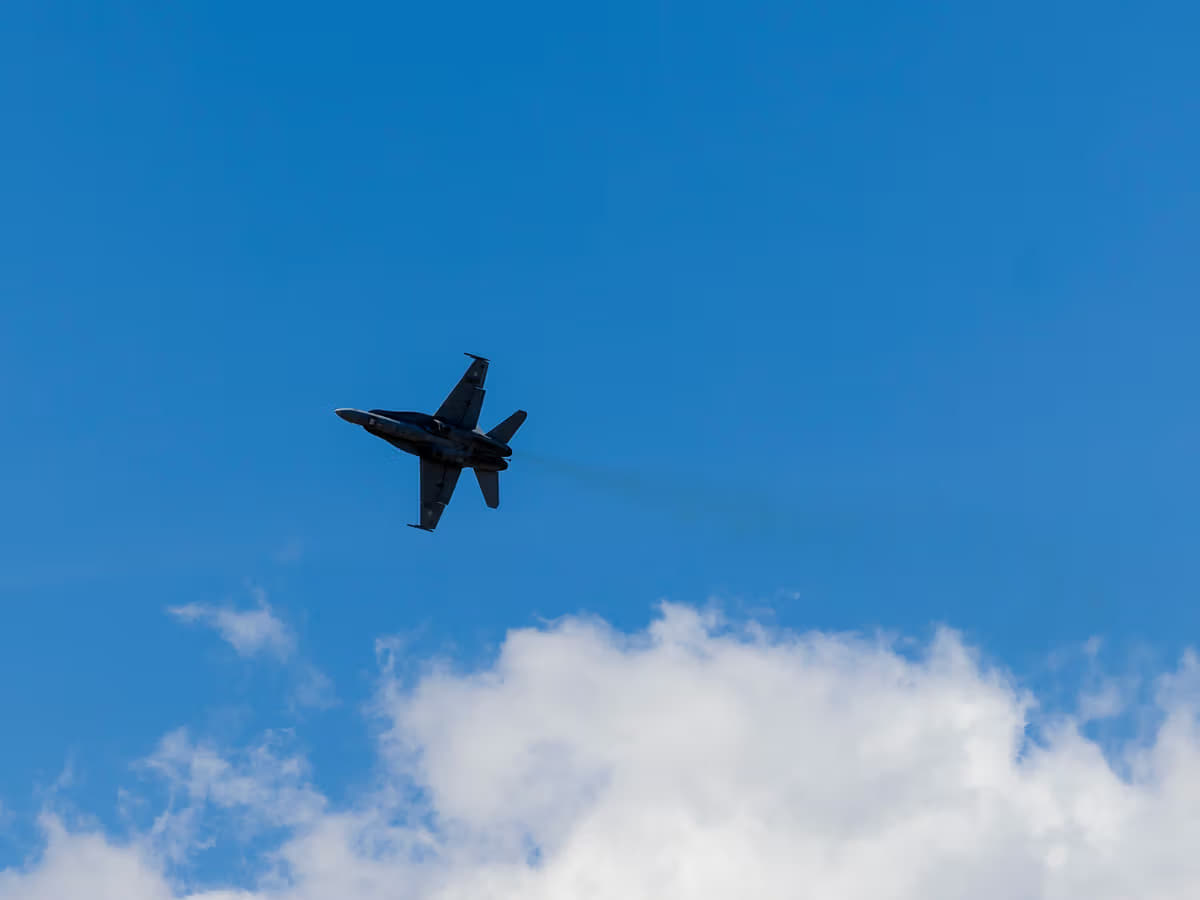
Finland Imposes Temporary Air and Sea Restrictions Amid Drone Activity
The Finnish Defense Forces temporarily restricted traffic in the eastern Gulf of Finland as a precautionary measure following drone reports in neighboring Russia.
 🩺Health
Healthcare Infrastructure Restoration in Chernihiv Region: Over Half of Facilities Rebuilt
In the Chernihiv region, 54% of medical and social facilities damaged by Russian shelling have been successfully restored.